

What is the ideal room temperature for storing bread?
Leave a message

When it comes to storing bread, the question of the ideal room temperature is crucial, especially for a room temperature bread supplier like me. The right temperature can significantly impact the quality, freshness, and shelf - life of the bread. In this blog, I'll delve into the science behind the ideal room temperature for storing bread and how it affects different types of bread products.
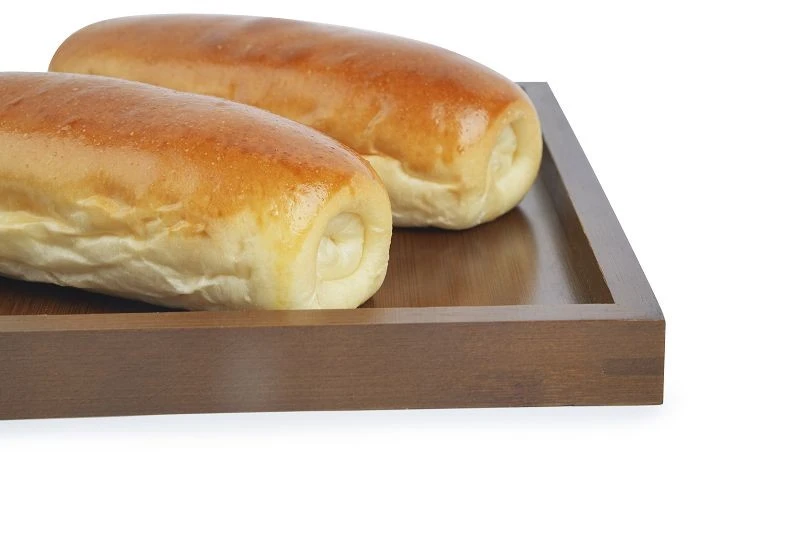

The Science of Bread Storage Temperature
Bread is a complex food product composed of flour, water, yeast, and other ingredients. Yeast is a living organism that ferments the sugars in the dough, producing carbon dioxide and causing the bread to rise. After baking, the bread continues to undergo physical and chemical changes. One of the most significant changes is staling, which is mainly due to the retrogradation of starch molecules.
Starch in bread exists in two forms: amylose and amylopectin. When bread is baked, the starch granules absorb water and gelatinize. As the bread cools, the starch molecules start to realign and form a more ordered structure, leading to the hardening of the bread, which we perceive as staling. The rate of staling is highly influenced by temperature.
Ideal Room Temperature Range
The ideal room temperature for storing bread generally falls between 60°F (15.6°C) and 70°F (21.1°C). At this temperature range, the rate of staling is relatively slow compared to higher or lower temperatures.
If the temperature is too high, above 70°F (21.1°C), the bread will stale faster. High temperatures accelerate the retrogradation of starch, and they also provide a favorable environment for mold growth. Mold can start to develop on bread within a few days at high temperatures, especially if the humidity is also high.
On the other hand, if the temperature is too low, below 60°F (15.6°C), the bread may become dry and lose its softness. Cold temperatures can cause the moisture in the bread to migrate to the surface and evaporate, making the bread crustier and less palatable. Additionally, storing bread in the refrigerator (which is usually around 35 - 40°F or 1.7 - 4.4°C) can actually speed up the staling process because the low temperature promotes the retrogradation of starch more rapidly than at room temperature.
Impact on Different Types of Bread
Different types of bread have different optimal storage conditions based on their ingredients and structure.
Sweet Bread with Filling
Sweet bread with filling, such as Sweet Bread with Filling, often contains a high amount of sugar and fat. These ingredients can help to keep the bread moist and extend its shelf - life. However, the filling can also be a breeding ground for bacteria if not stored properly. At the ideal room temperature of 60 - 70°F (15.6 - 21.1°C), the sweet bread can maintain its softness and flavor for a few days. The sugar and fat act as natural preservatives, slowing down the staling process.
French Toast Paine
French Toast Paine is a type of bread that is often used for making French toast. It has a relatively dense texture and a high moisture content. Storing it at the ideal room temperature helps to preserve its moisture and prevent it from becoming too dry or hard. The room temperature allows the bread to retain its elasticity, making it perfect for soaking in the egg mixture when making French toast.
Bread Toast with Milk
Bread Toast with Milk is a popular breakfast item. This type of bread is usually sliced and toasted. Storing it at the right room temperature ensures that the toast remains crispy on the outside and soft on the inside. If the temperature is too high, the toast may become overly dry and lose its crunch. If it's too low, the toast may become soggy.
Maintaining the Ideal Temperature
As a room temperature bread supplier, I take several measures to ensure that the bread is stored at the ideal temperature. First, I have a well - ventilated storage area with a temperature control system. This system helps to maintain a consistent temperature within the 60 - 70°F (15.6 - 21.1°C) range.
I also pay attention to the humidity levels in the storage area. High humidity can promote mold growth, while low humidity can cause the bread to dry out. I use dehumidifiers and humidifiers as needed to keep the humidity at an optimal level, usually around 40 - 60%.
Packaging and Its Role
Proper packaging is also essential for maintaining the ideal temperature and freshness of the bread. I use air - tight packaging materials that can protect the bread from external factors such as air, moisture, and light. The packaging helps to slow down the staling process by reducing the exposure of the bread to oxygen and preventing the loss of moisture.
Importance for Customers
For customers, understanding the ideal room temperature for storing bread is crucial. If they store the bread at the right temperature, they can enjoy fresh, delicious bread for a longer period. This not only saves money but also ensures a better eating experience. As a supplier, I always provide customers with information on how to store the bread properly to maintain its quality.
Contact for Purchase and Collaboration
If you're interested in purchasing our room - temperature bread products or collaborating with us, we'd love to hear from you. Our high - quality bread, stored at the ideal temperature, is available for both individual consumers and businesses. Whether you're a local bakery, a restaurant, or a grocery store, we can provide you with the perfect bread products to meet your needs. Reach out to start a conversation about your requirements, and let's work together to bring the best bread to your customers.
References
- Pyler, E. J. (1988). Baking Science and Technology. Sosland Publishing Company.
- Cauvain, S. P., & Young, L. S. (2006). Technology of Breadmaking. Springer.
- Gray, J. A., & Bemiller, J. N. (2003). Bread staling: Molecular basis and control. Comprehensive Reviews in Food Science and Food Safety, 2(1), 1 - 21.


